
Kilcarbery Grange, Clondalkin
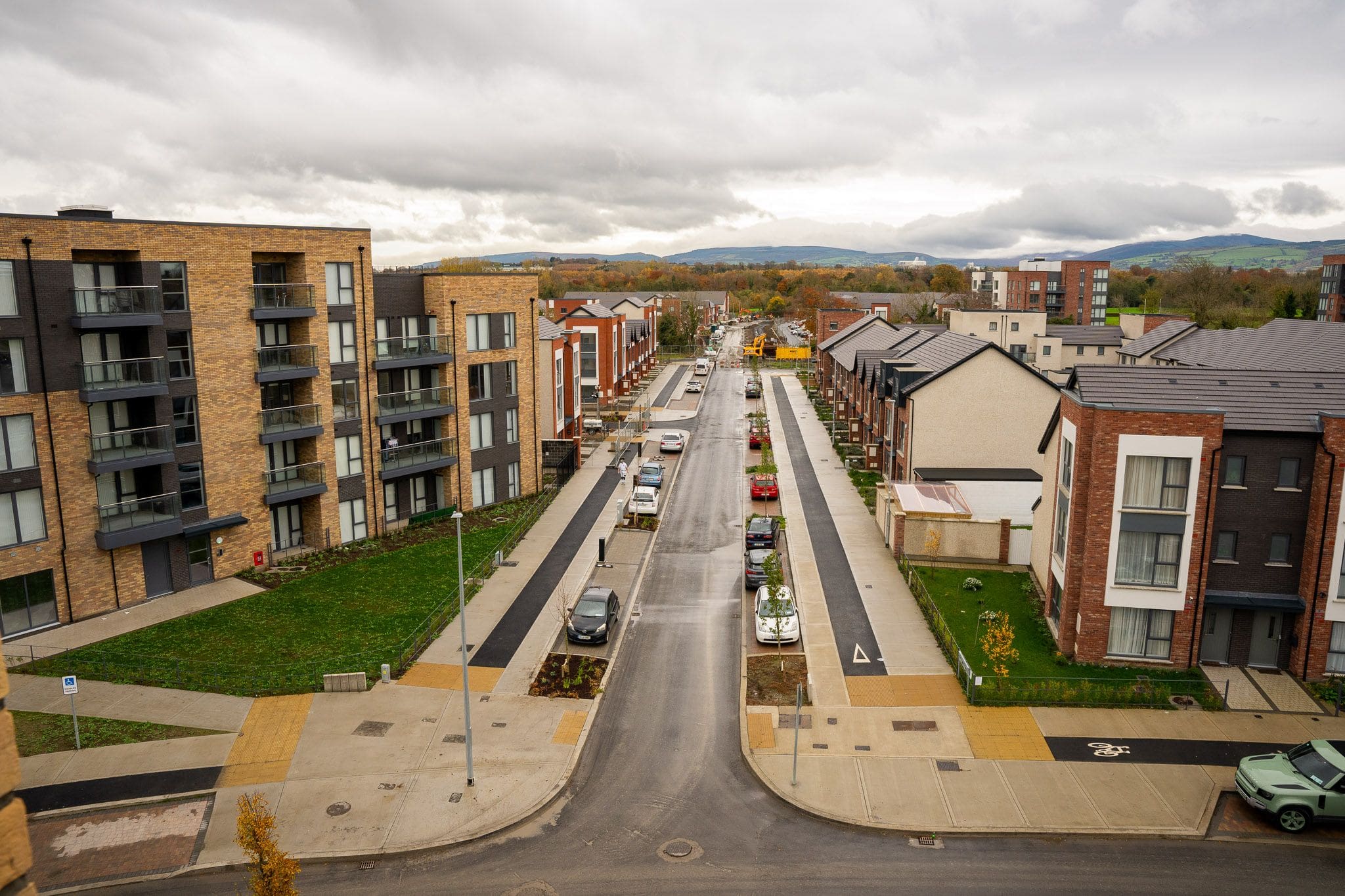
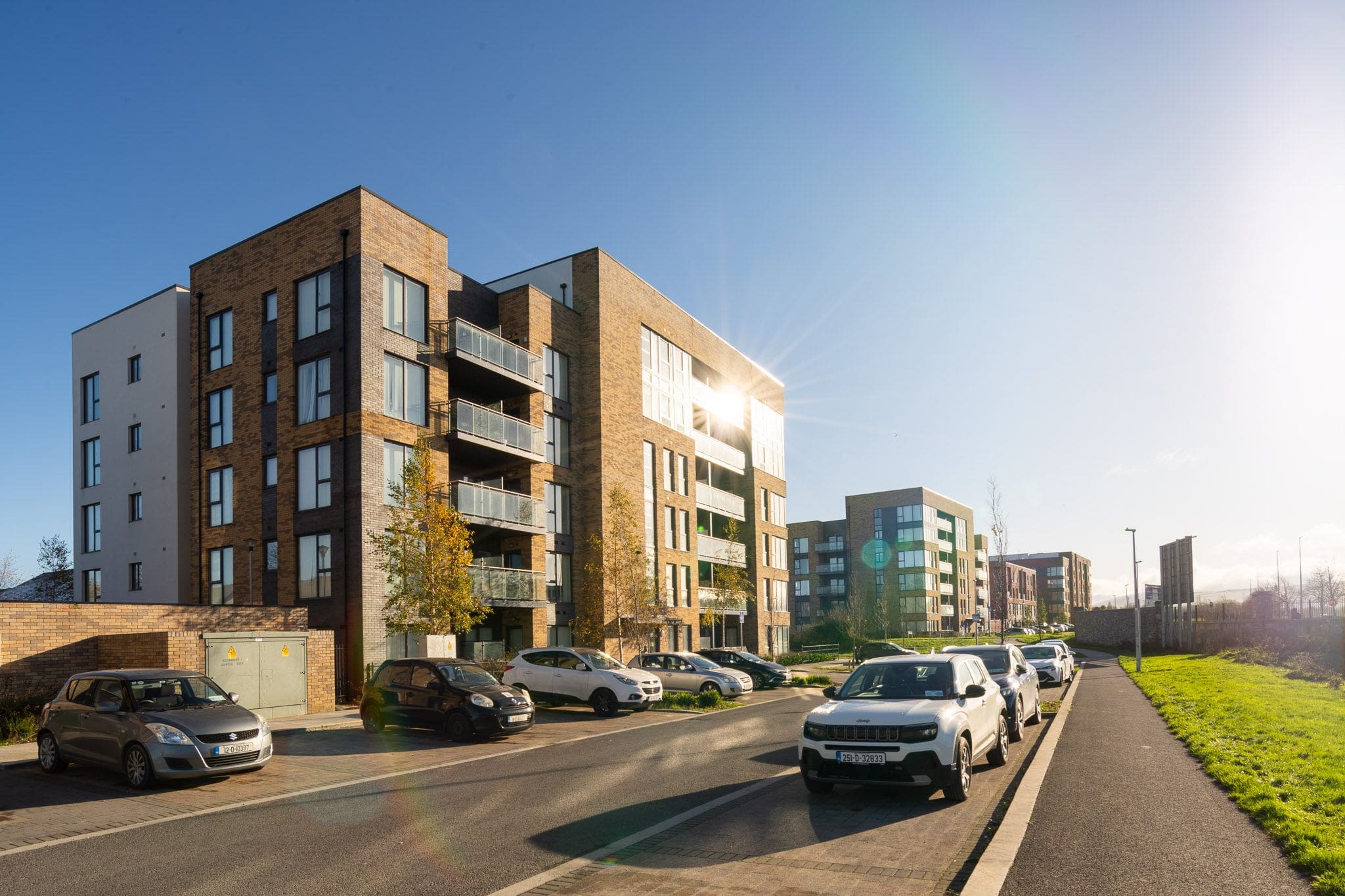
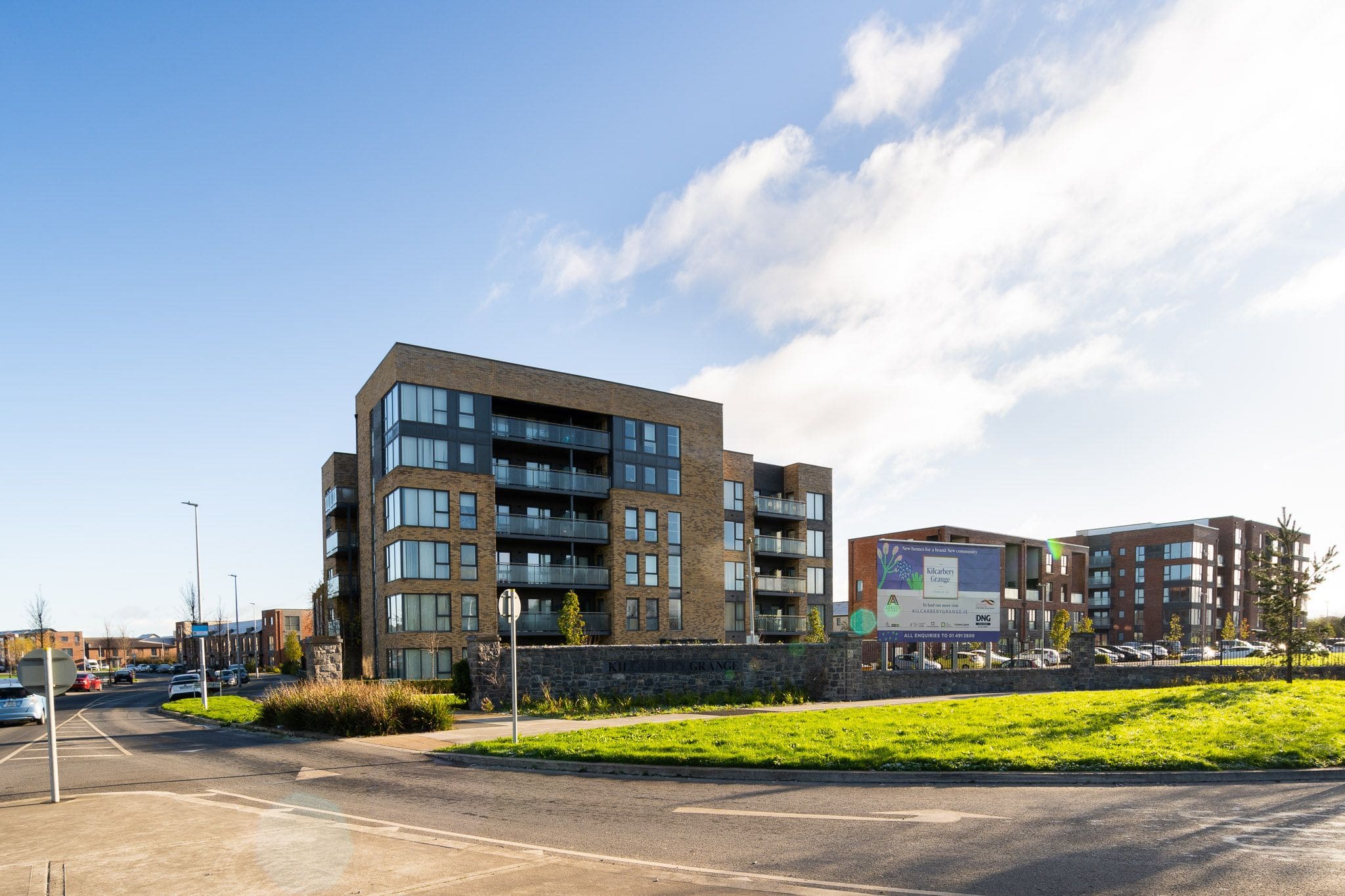
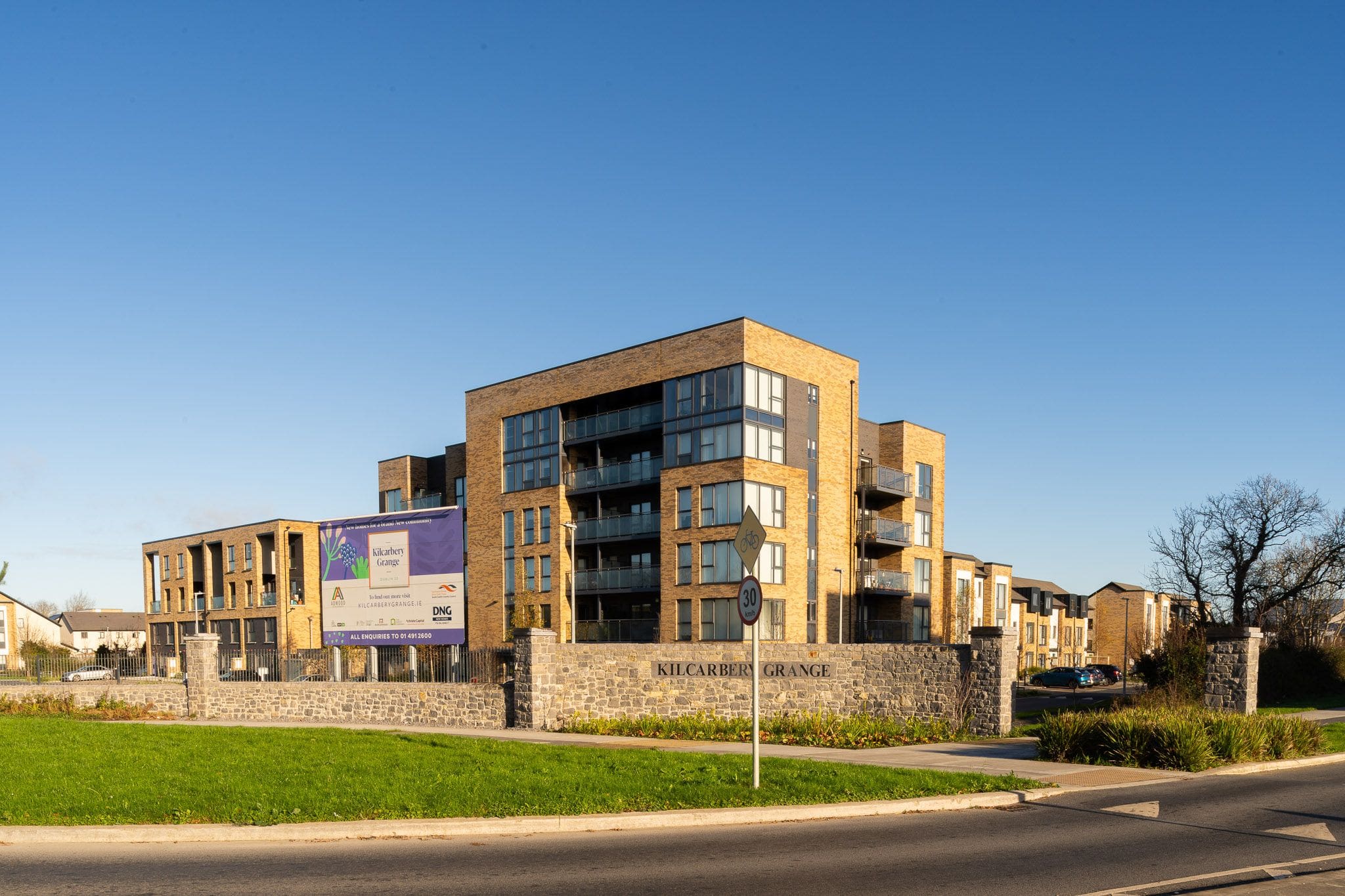
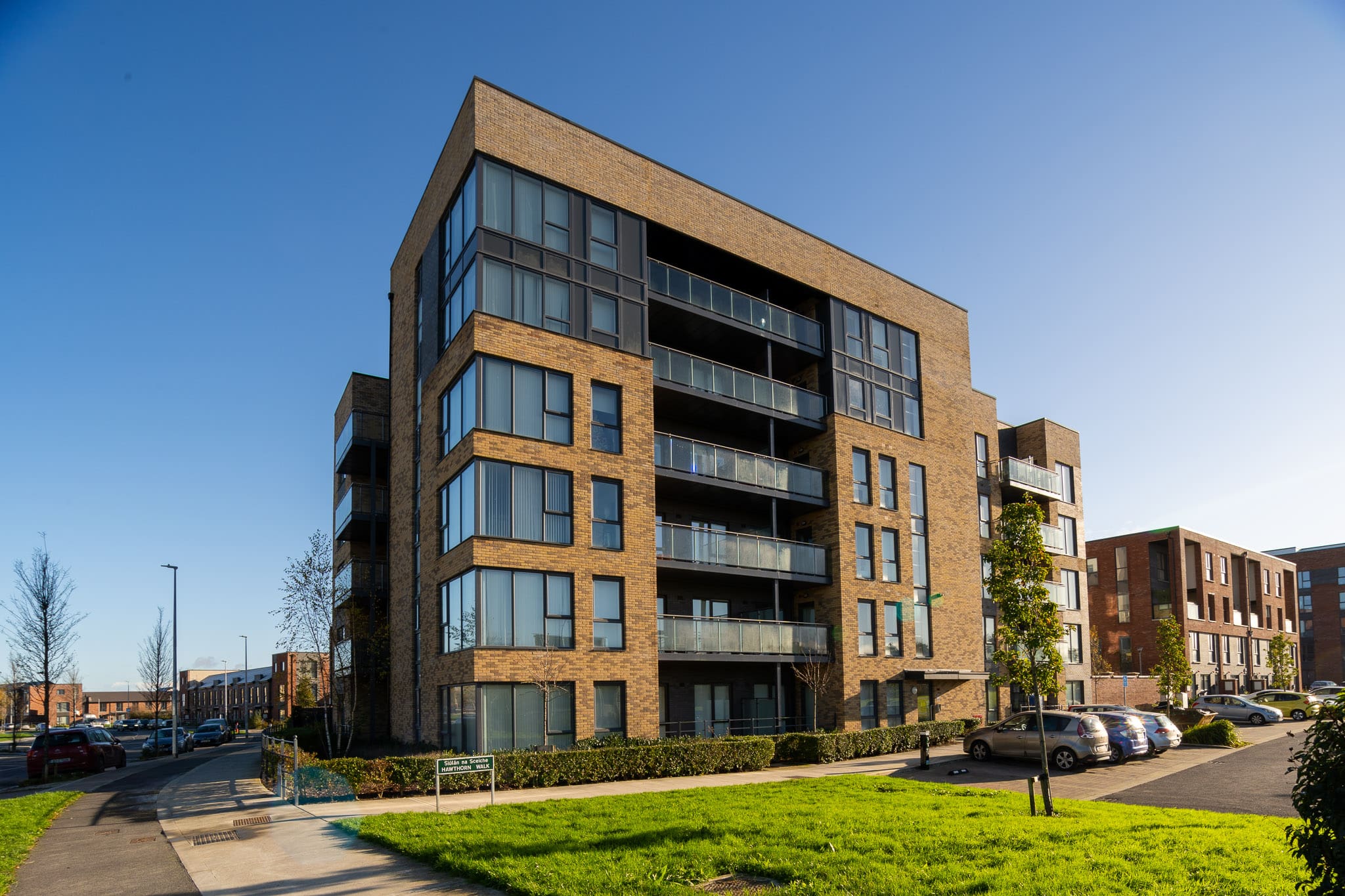
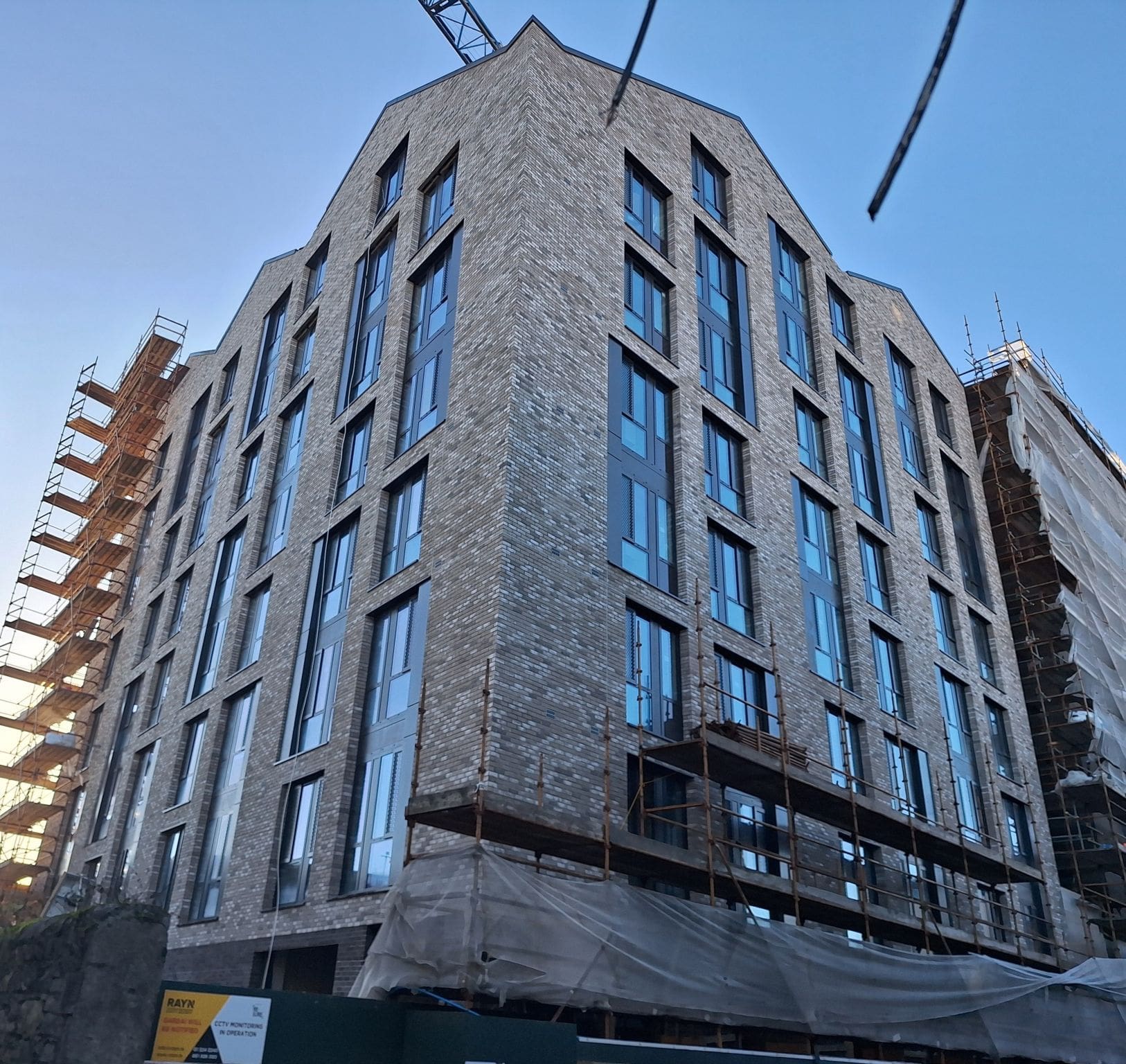
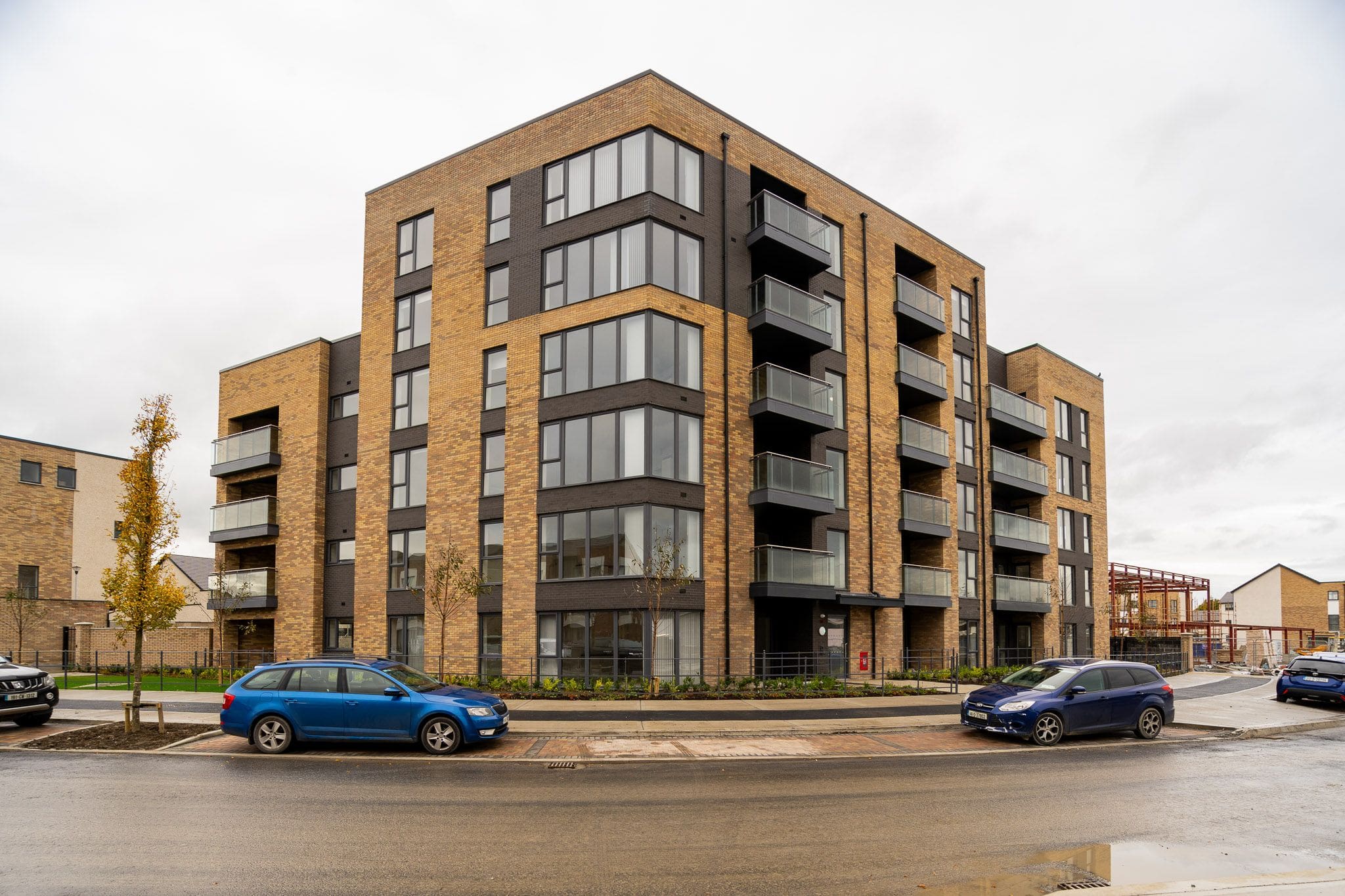
DBFL provided civil and structural engineering services for this large-scale residential development at Kilcarbery Grange, Clondalkin, Dublin now nearing completion. This development consists of 1,122 residential units, a creche, retail outlets, and community building, as well as associated site infrastructure works on a c. 28.6ha greenfield site. Kilcarbery Grange is a joint venture between South Dublin County Council (SDCC) and Adwood Ltd., delivered over five phases, providing a mix of 3 and 4 bedroom houses, 3 bedroom duplexes and 1, 2 and 3 bedroom apartment units, across 9 apartment blocks.
The development utilised varied methods of construction across the creche, community building, houses, duplexes and apartments. The apartment blocks superstructure was constructed utilised Modern Methods of Construction (MMC) techniques with precast walls and floor slabs. The houses and duplexes were built of traditional masonry construction, with metal web joists and precast slab floors, and timber roof trusses. The creche also consisted of traditional masonry wall and precast floor construction, whilst the community building was a predominantly steel framed building with masonry infill panels, and a lightweight roof system. Careful coordination between DBFL, the design team and the steel fabricators, was crucial to deliver this.
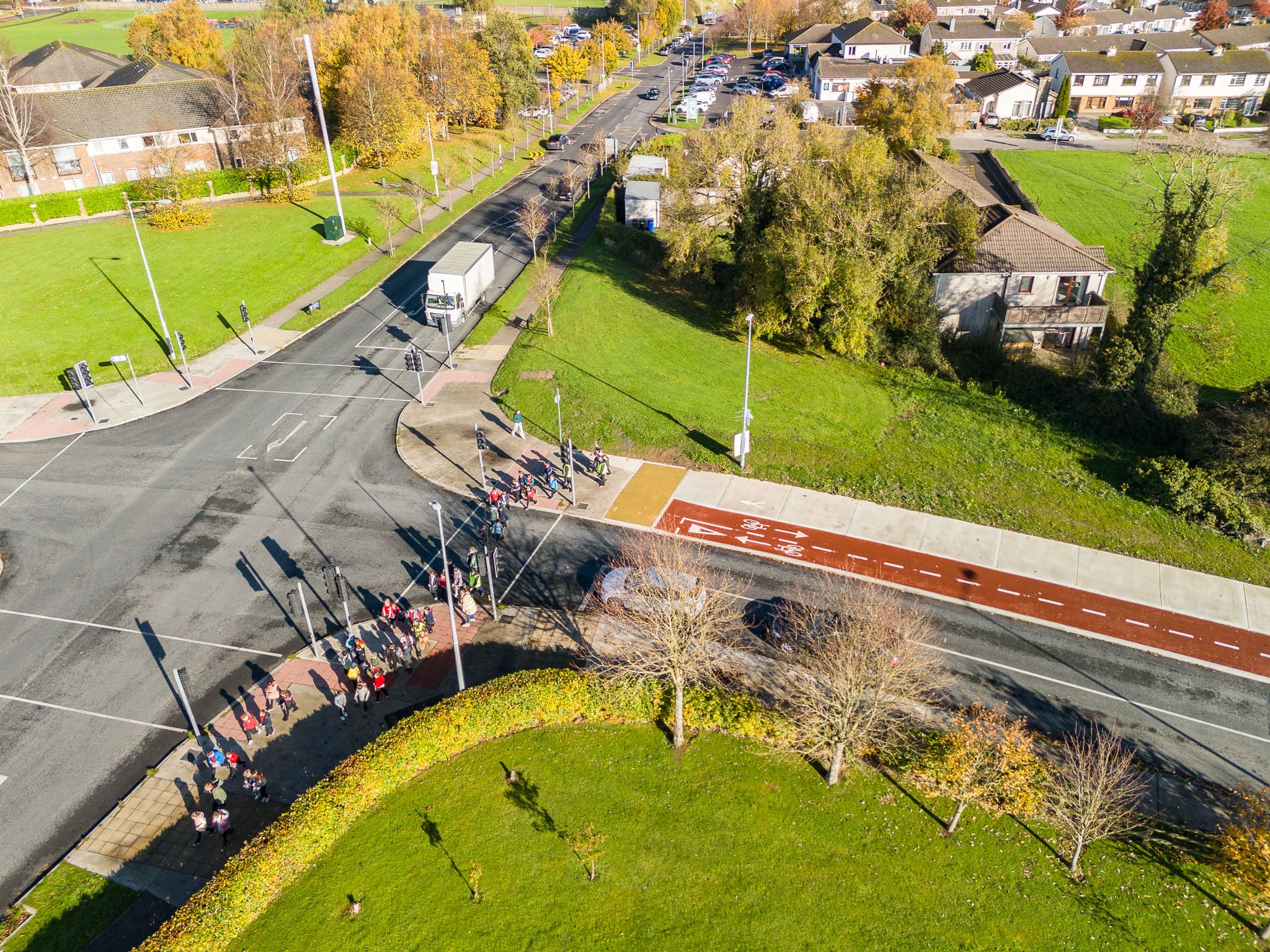
DBFL developed an overall surface water drainage strategy in consultation with SDCC. Surface water management for the development is designed to comply with the Greater Dublin Strategic Drainage Study (GDSDS) policies and guidelines and the requirements of South Dublin County Council. DBFL are also carrying out the main civil engineering and infrastructure design including the following elements: Foul and surface water drainage including pumping station; Sustainable Urban Drainage (SuDS) features; Water Supply; Pavement, road, and junction design; Flood Risk.
The delivery of this phased residential development required extensive co-ordination with design team members and public bodies to overcome challenges and successfully assess and minimise risks through innovative design as the project progressed. Soil stabilisation methods were employed to improve ground conditions for part of the site, as well as under the roads as a capping layer replacement and below house foundation. This reduced the requirement to remove spoil off site by converting the weak soils into a usable construction material.