
The Trinity College Transport Study explores the evolving transport environment around Trinity College Dublin to inform the Trinity College Dublin Campus Travel Plan 2025-2030. The Plan sets out to encourage sustainable travel to all campus locations by students, staff and visitors while also reducing the number of vehicles entering the College Green Campus and promoting physical and mental wellbeing through active commuting.
Elements of the Transport Study included a Cordon Study at the College Green campus, an audit of the cycle facilities connecting College Green to some of Trinity’s satellite locations across Dublin City, a microsimulation model to assess the impact of the Dublin City Centre Transport Plan on servicing and deliveries to the campus via Lincoln Place, a Freight Study to comprehend existing servicing and delivery behaviour and an EV charging and maintenance strategy to determine how Trinity can successfully transition to a fully electric fleet.
The Trinity College Transport Study feeds directly into the Trinity College Dublin Campus Travel Plan 2025-2030. The Plan examines existing travel behaviour at Trinity and the surrounding transport environment that influences this behaviour before setting out 63 actions to promote and encourage greater levels of sustainable travel at the university. The success of the Plan will be monitored through a revamped annual student and staff travel survey.
The Trinity College Transport Study feeds directly into the Trinity College Dublin Campus Travel Plan 2025-2030. The Plan examines existing travel behaviour at Trinity and the surrounding transport environment that influences this behaviour before setting out 63 actions to promote and encourage greater levels of sustainable travel at the university. The success of the Plan will be monitored through a revamped annual student and staff travel survey.
Trinity operates from a number of campuses located across Dublin City Centre, including sports grounds, student accommodation and teaching hospitals. The university wants to promote cycling as a key mode for travel between these sites to minimise the impact of these inter campus movements on Dublin’s transport emissions.
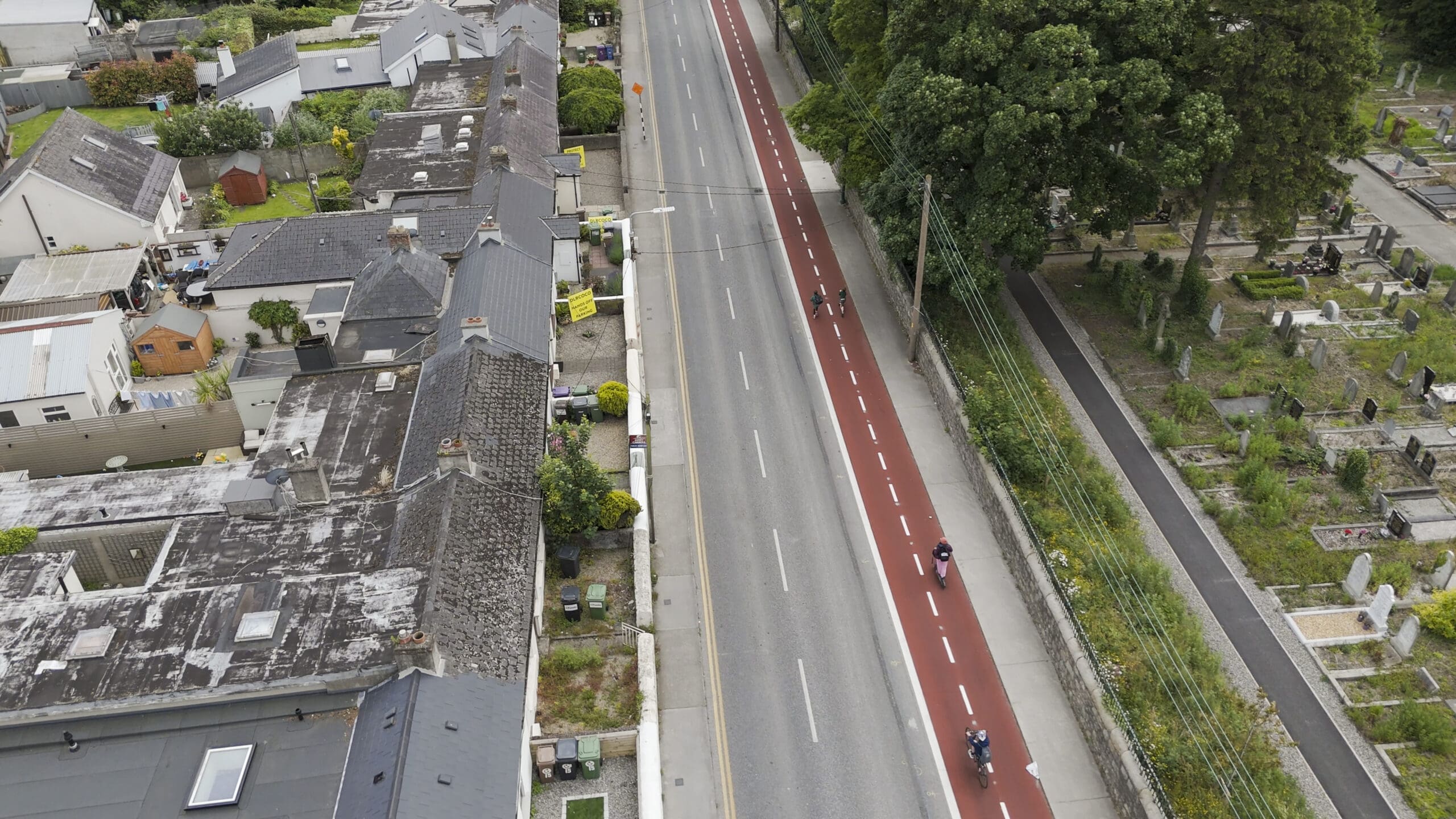
A cycle audit was conducted using CycleRAP and social safety analysis to identify areas along 5 key routes between the main campus at College Green and 5 satellite locations that are in need of the greatest improvements to make cycling on these routes a safe and enjoyable experience. Trinity can now use the results of this audit to target lobbying activities with Dublin City Council on key areas along the routes which will bring the greatest benefit to the overall cycling experience when improved.
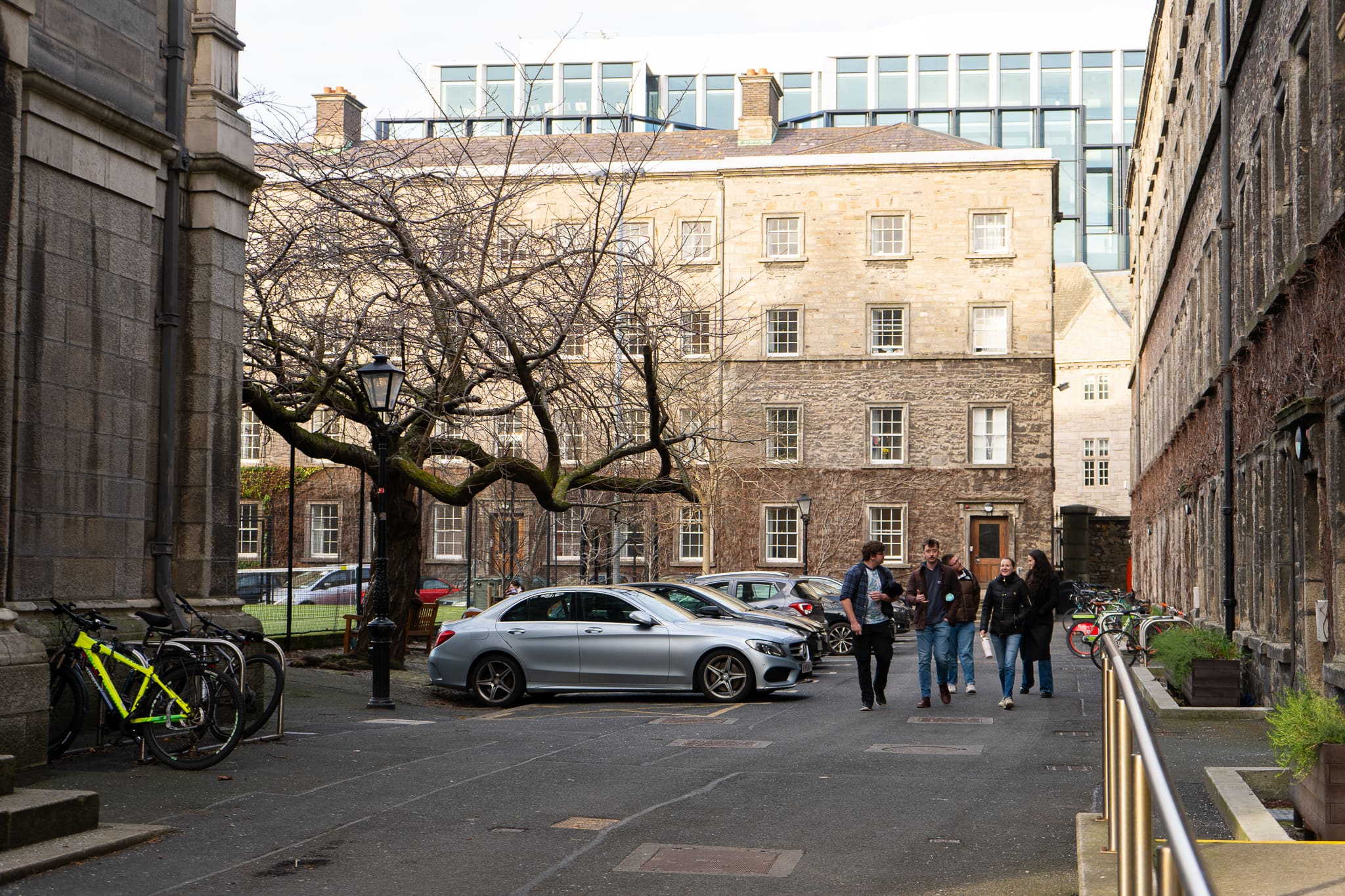
Under the overall Transport Study, a zero-emissions vehicle strategy was prepared to establish the fuels currently used in the Trinity fleet, identify opportunities for greater adoption of electric vehicles in the fleet, and investigate how alternative vehicles such as cargo bikes could also be integrated.
The Strategy sets out 7 recommendations for how Trinity can transition to a fully ZEV fleet by 2030, including replacing existing ICE vans with EV alternatives, increasing the number of EV chargers available for use by internal departments, and trialling the use of e-cargo bikes for some activities of the Estates and Facilities team.

Project Director