
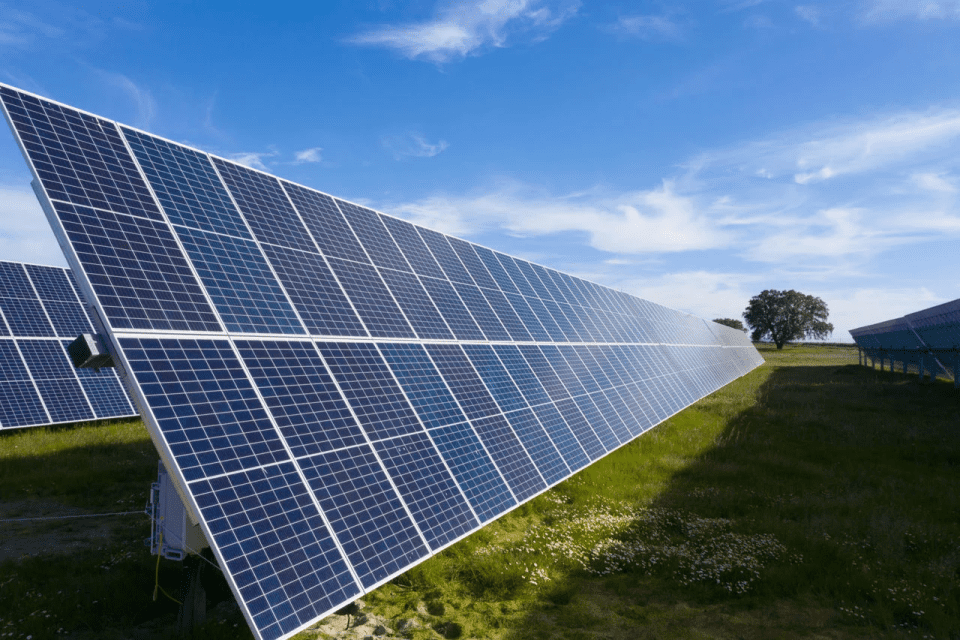
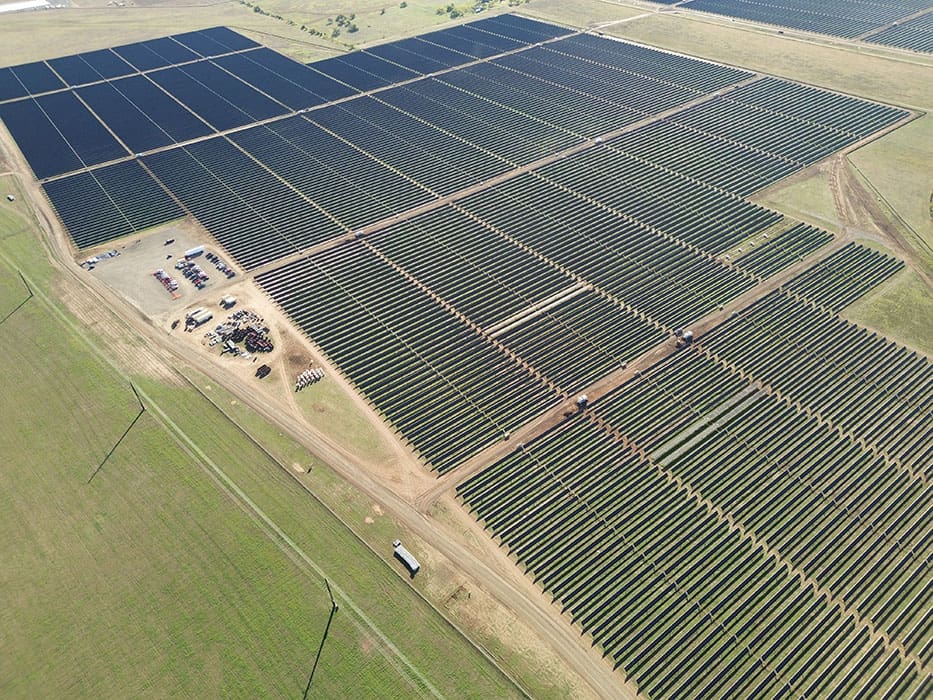
DBFL provided civil and structural engineering services through the detailed design, tender, and construction stages of the project, including the onsite 38kV substation.
The civil works included the design of the temporary and permanent access roads, which were value engineered by incorporating geosynthetic reinforcement. A working platform was also designed to enable heavy lift operations. The drainage designs included soakaways, rainwater harvesting system, gravity overflows from existing ponds via filter drains, and pumped overflows from bunded areas. DBFL also designed the foul infrastructure, including a foul storage facility. DBFL were also responsible for the grid connection (and an ESB access road) to the existing Cahir 110kV substation, including ESB-compliant grid crossing details / transitions in trefoil and flat formation.
The structural works included the design and detailing of the 38kV substation building. DBFL also designed all the external equipment supports such as plinth bases, surge arrestor frame bases, cable chair base, fencing / gate details, and lighting column foundations. DBFL also designed and detailed all the secondary steel elements supporting the ESB equipment.
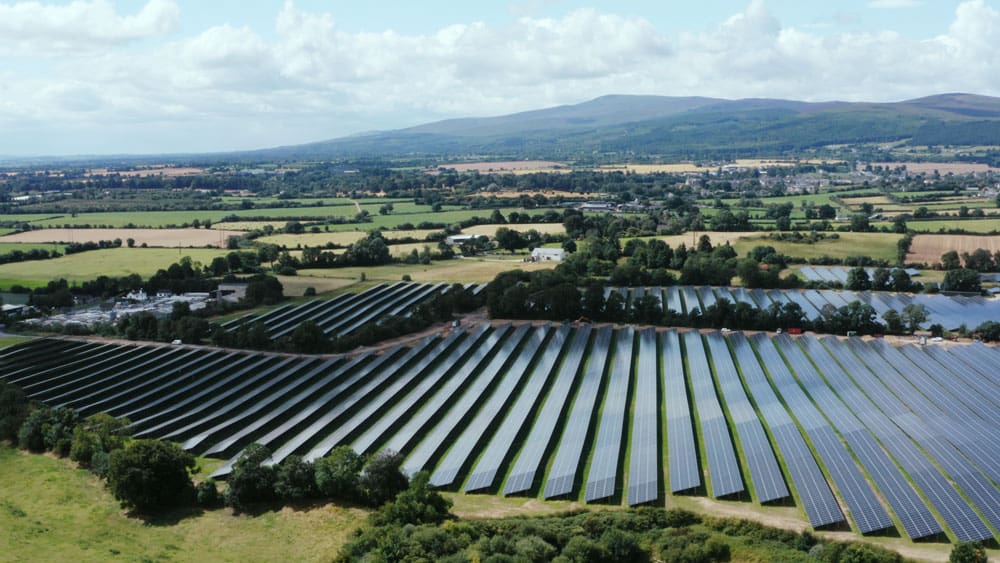
Challenging ground conditions and high water tables were encountered on site. To deal with elevated groundwater levels, and potential overflows from existing ponds, a series of French Drains were incorporated into the works. The French Drains provided a flow path away from the substation compound, to an existing pond / topographical depression, to mitigate flood risk under heavy rainfall scenarios. Rodding access points and in-line check valves were also incorporated into the works for maintenance purposes and to mitigate against back-flows, respectively.
The development included the provision of SuDS measures, including rainwater harvesting systems, soakaways and filter drains. Road build-ups were value engineered through rigorous on site validation testing, and the incorporation of geosynthetics, allowing for reduced capping depths. This reduced the amount of material that needed to be imported to site, and also recued associated vehicle movements / emissions.

Project Director